

TAG STORY · JOURNAL
I Used to Love Being the Center of Attention. Then Building a Company Taught Me Something Else.
Notes from November 6, 2026: from English speech competitions and startup pitches to customer conversations, I am learning to give other people my attention.
TAG Story ·

Yesterday, I spent some time talking with a few younger students from my MBA program.
We talked about how I got started, the qualities a founder needs, how I approach go-to-market strategy and cold outreach, and how I found my first customers.
Afterward, I realized there was an important part of the story I had not had the chance to share.
Looking back, that experience shaped the founder I became more deeply than I had understood.
1. I Have Always Enjoyed Meeting People
In college, I loved meeting new people.
I liked hearing their stories, experiences, and ways of seeing the world.
Every conversation with someone from a different background felt like exploring a life I had never lived.
And I really enjoyed the exchange itself.
That part of my personality eventually drew me into all kinds of English speech competitions.
Over three years in college, I entered more than 20.
The subjects ranged from ESG and the UN Sustainable Development Goals to career planning and job interviews.
I was fortunate enough to place in the top three every time.
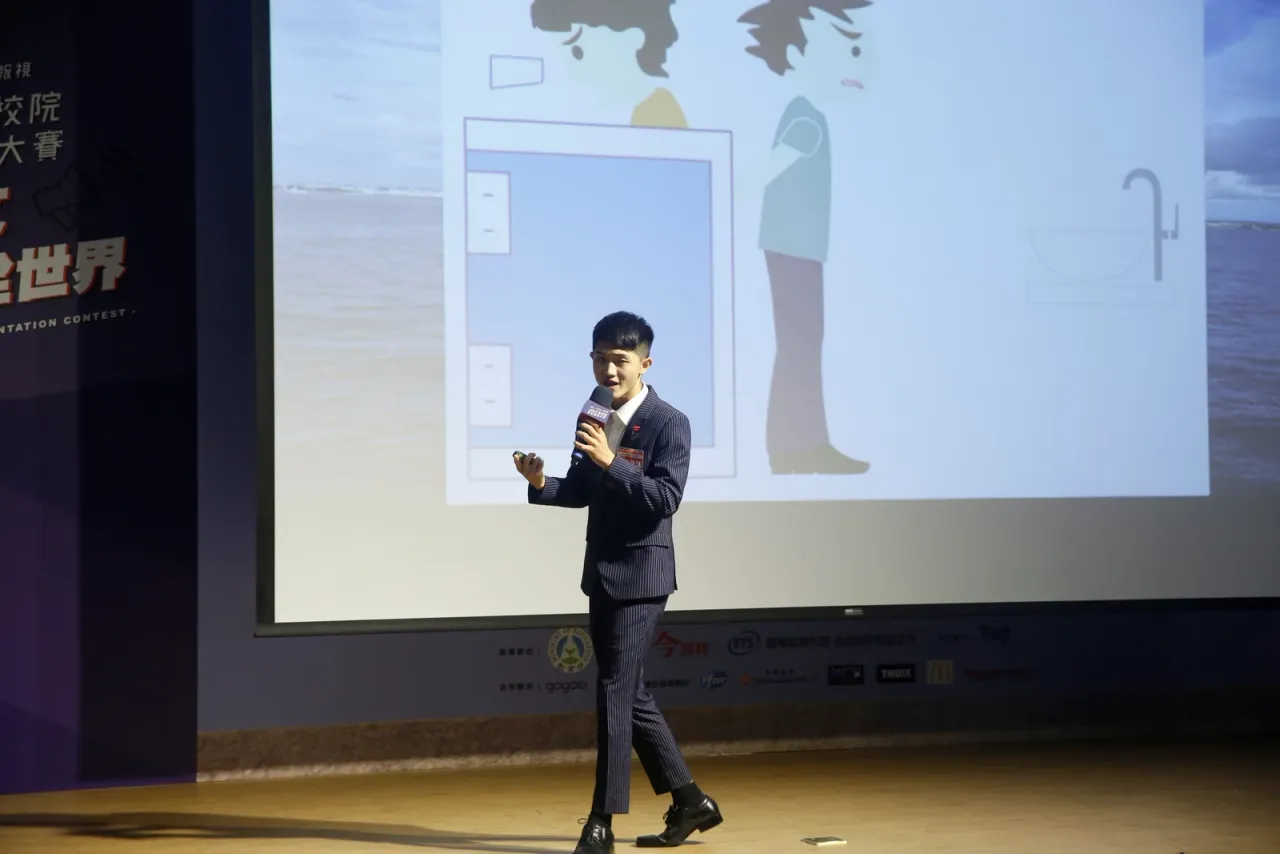
What kept bringing me back, though, was how much I enjoyed being onstage.
Researching a topic, preparing the content, practicing again and again, then standing up to share a point of view I believed in.
Seeing the audience connect with it and hearing the applause felt deeply rewarding.
I liked being the center of attention. I liked using words to help people understand my thinking.
At the time, I barely even knew what pitching meant.
I simply enjoyed it, so I put a lot of time into practicing.
I did not expect those experiences to become so useful when I started building a company.
2. Being a Good Speaker Does Not Mean You Know How to Sell
A few years later, I started a business.
My work shifted from preparing speeches to introducing products, reaching out cold, finding potential partners, and trying to close the first deal.

At first, I enjoyed that work.
I was already comfortable sharing ideas with strangers, and I liked getting to know people.
But once I really began selling, I gradually realized something:
Being articulate does not mean you understand sales.
Onstage, the audience has come to hear you speak.
In cold outreach, nobody owes you the time to listen to a product introduction.
More importantly, customers usually do not care how impressive your product sounds.
They care whether you understand the problem they are facing—and whether you can help them solve it.
Those are two very different kinds of communication.
I used to enjoy being the focus of everyone's attention.
After enough customer interviews, outreach attempts, and business negotiations, I began noticing that the most valuable conversations often happened when I said less.
3. Sometimes You Need to Give Someone Else the Stage
I began changing the way I spoke with potential customers.
Instead of concentrating on making the product sound more attractive, I spent more time understanding the person in front of me.
What difficulties are they facing?
How do they handle them today?
What solutions have they already tried?
And what makes the problem worth paying to solve?
I asked more questions and tried to give people enough room to share their experiences and perspectives.

In some meetings, I spent very little time presenting the product.
Interestingly, those conversations often gave me more.
I understood the market more clearly, discovered where my assumptions were wrong, and noticed business opportunities I had missed.
Some of those conversations eventually led to real partnerships and deals.
I began to understand that
good sales involves helping people understand your product, but even more importantly, understanding them.
Only when you are willing to understand someone's problem first can you judge whether your solution has value for them.
Sometimes the best outcome is discovering that they do not need your product at all.
That is important market information, too.
The stage taught me how to express myself.
Customers taught me when to listen closely.
4. A Customer's Objections May Be the Most Valuable Information You Get
Learning to deal with objections was another experience that changed how I thought about sales.
When a customer questions your proposal, it is easy to feel discouraged.
They may think the product is too expensive, fail to see its value, or believe you have missed the problem that matters to them.
I gradually began looking at those responses differently.
An objection can mean that there is something I still do not understand.
For example, when a customer says:
“Your product is too expensive.”
That sentence can point to entirely different problems.
Perhaps they really do not have the budget.
Perhaps a cheaper alternative already offers a similar result.
Or perhaps I have failed to explain how much value the product can create.
Those problems require different responses.
A genuine budget gap may call for reconsidering the audience or pricing model.
A better competing solution calls for rethinking the product's differentiation.
If the value has not been understood, the issue may be positioning or sales communication.
“Too expensive” may mean | What to reconsider |
|---|---|
There is not enough budget | Target audience or pricing model |
There is already a better alternative | Product differentiation |
The product's value is not understood | Positioning or sales communication |
So instead of rushing to argue, I want to understand what they mean.
Sometimes a no is simply a no. We also need to respect that choice.
But whenever someone is willing to explain their concerns, I have a chance to learn a little more about the market.
That information may be worth more than a successful pitch.
I am gradually learning to stay curious about different opinions.
The people who seem to be challenging you may be giving you exactly the information that helps your product and strategy improve.
5. Looking Back, the Experiences Begin to Connect
In his 2005 Stanford commencement address, Steve Jobs shared an idea I have always liked:
We rarely know ahead of time how our experiences will connect. Often, their relationships become clear only when we look back years later.
I like that thought.
When I entered English speech competitions, I never imagined that being onstage would one day help me introduce my own business to customers, investors, and partners.
When I enjoyed meeting strangers and hearing their stories, I did not imagine that curiosity becoming part of customer discovery.
I was simply doing things I liked and trying to do them well.
Only now can I begin to see how those abilities accumulated.
English speeches developed my ability to express myself.
Going onstage repeatedly gave me more confidence with strangers.
Enjoying new friendships made me willing to encounter different perspectives.
After starting a business, I learned to use those abilities to understand customers, test the market, and create business opportunities.
None of those experiences had been placed into a carefully designed career plan.
But they gradually came together to make me who I am today.
6. Build Your Own Experience
If I were to offer one suggestion to someone still exploring their direction, it would be this:
You do not need to rush to assign a clear return to every experience.
Meet different people. Try things that interest you. Join activities, learn new skills, or build a product yourself.
When you find something you care about, commit to it and reach a meaningful level of ability.
I do not believe every experience will eventually turn into a job opportunity or business result.
Over time, though, we accumulate a set of abilities, knowledge, perspectives, and experiences that is our own.
Things that seem disconnected may come together unexpectedly at some point in the future.
Each person's particular combination of experiences may also become a distinctive competitive advantage.
For me, one important change has been realizing that I do not always need to be the person receiving attention.
Sometimes giving someone else the room to speak lets both of us gain more.
I used to work hard at earning other people's attention.
Later, I began learning to give my own attention to others.
Today, both remain abilities I keep practicing as a founder.