TAG STORY · JOURNAL
Where Is Your Move 37 as a Founder?
Taiwan Startup Investment Conference 2026, Day 1 | AlphaGo and the founder's unconventional choice
TAG Story ·
Today at the Taiwan Startup Investment Conference, I heard stories from startup investors and founders that I want to share with you.
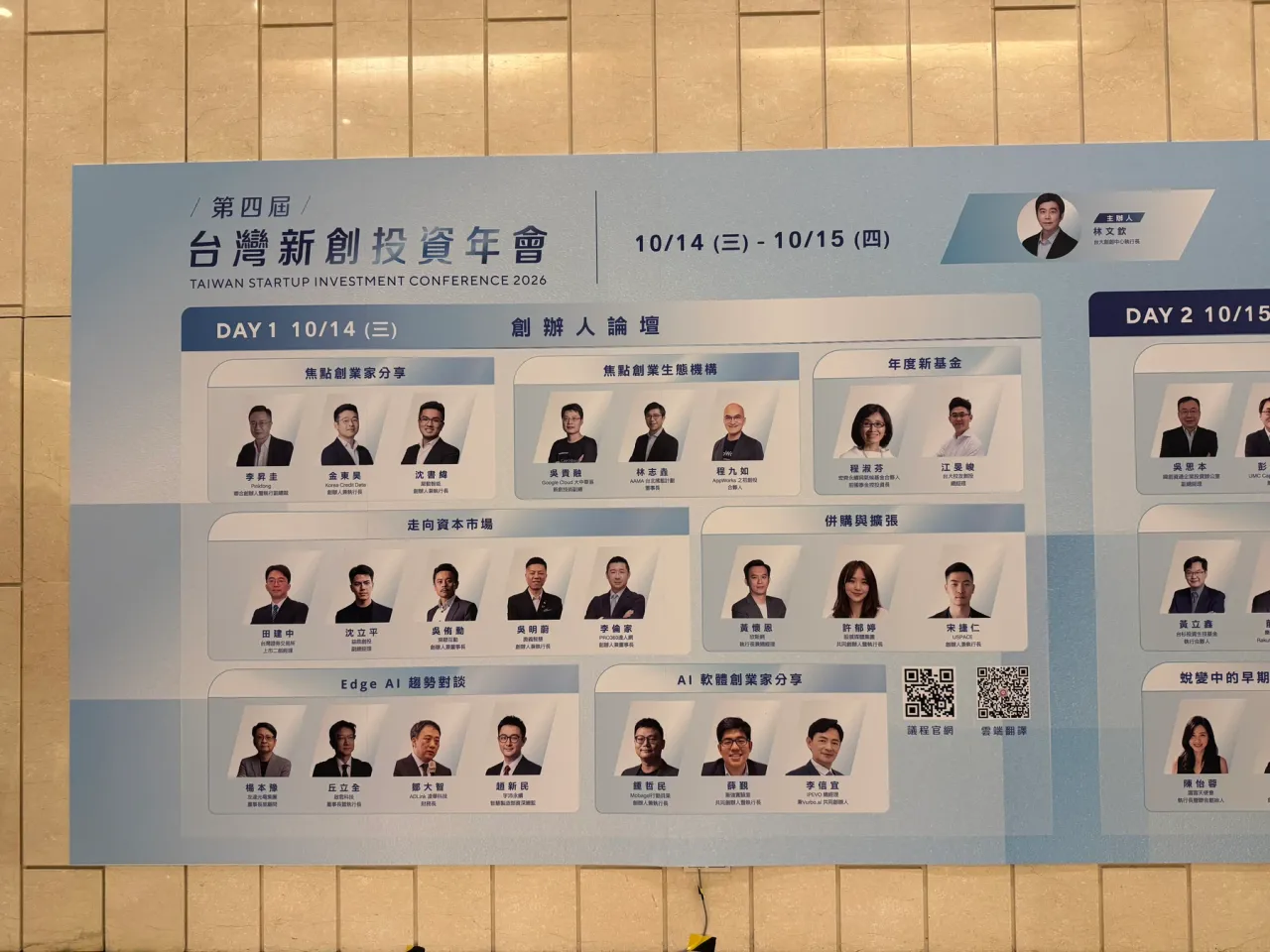
One story at the conference really moved me. Maybe I was projecting a little too much. 🤣
It was KJ Wu, Google Cloud's vice president of startup technology for Greater China, telling the story of AlphaGo's Move 37.

01 | The Move Nobody Expected
Seoul, South Korea, March 10, 2016. AlphaGo, the AI developed by Google DeepMind, was playing a five-game match against South Korean professional nine-dan Go player Lee Sedol.
AlphaGo had already won the first game.
In Game 2, AlphaGo played black and Lee Sedol played white.
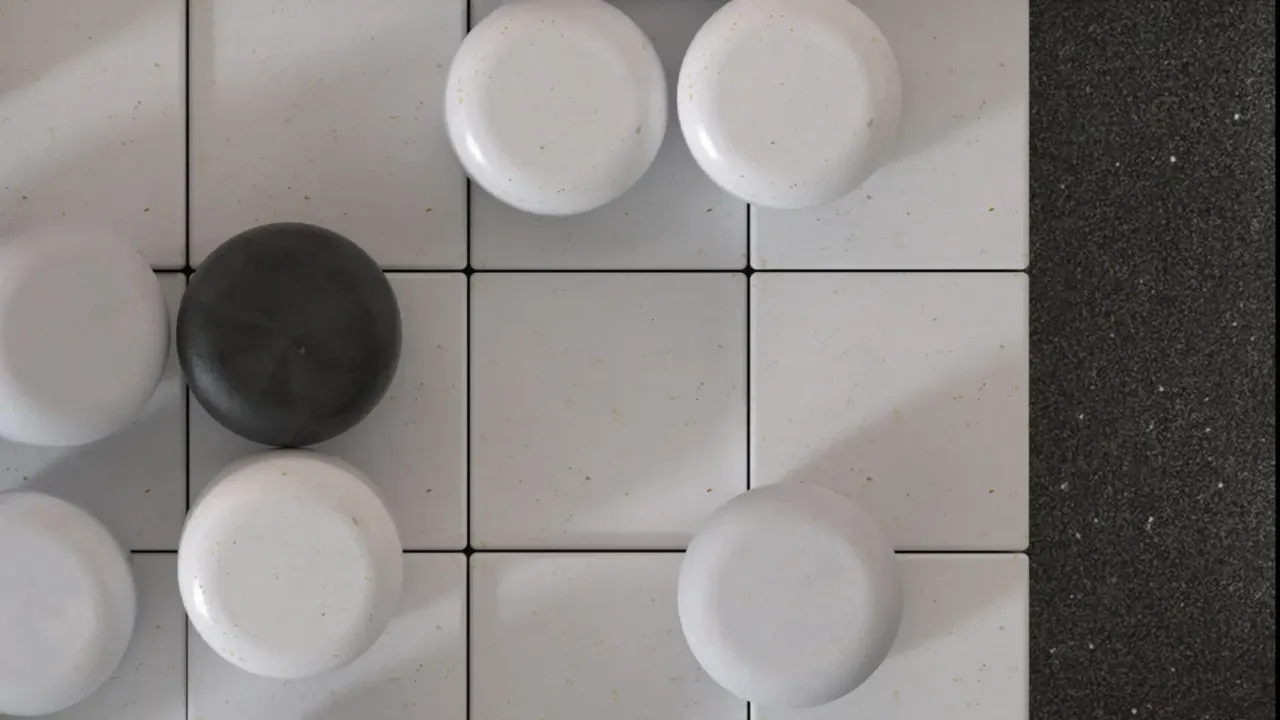
On move 37, AlphaGo placed a black stone on the right side of the board in a position nobody expected. Professional players and commentators watching the match struggled to make sense of it.
Some assumed the AI had made an error.
Lee Sedol was away from the board on a break. According to Fan Hui's official game commentary, he spent about 12 minutes considering his response after returning. As the game developed, observers began to see that the move was more than a simple mistake. It was an unconventional choice with far-reaching strategic value.
AlphaGo ultimately won Game 2 and took the five-game match 4:1.
The basic objective of Go is to secure more territory than your opponent. Professional thinking at the time generally placed greater emphasis on corners and sides, where solid territory is relatively easier to establish.
Yet AlphaGo's Move 37 was a shoulder hit.
In DeepMind's official game commentary, European Go champion Fan Hui cited an old Go proverb:
“Beginners play the corners, intermediate players the sides, and masters the center.”
He saw AlphaGo's move as a renewed demonstration of the importance of central influence.
02 | Three Details That Stayed with Me
🎯 A human player was estimated to choose this move only once in 10,000 times.
Based on the human games it had learned from, AlphaGo's policy network estimated the probability of a human choosing this move at approximately 0.01%。Google DeepMind's official introduction also describes it as a one-in-10,000 move.
It was a choice a human would almost never make.
🔄 AlphaGo had not planned this move from the start.
According to Fan Hui's account of reviewing DeepMind's data after the game, AlphaGo had been considering other strategies in the preceding moves. Only after Lee Sedol played move 36 did it reassess the position and identify move 37 as the stronger choice.
Drawing on strategies learned through self-play, it found a possibility humans had not fully explored and made the apparently absurd move.
✨ Even Lee Sedol reconsidered AI's creativity.
“I thought AlphaGo was based on probability calculation and it was merely a machine. But when I saw this move, I changed my mind. Surely AlphaGo is creative.”
These words still appear on Google DeepMind's official AlphaGo introduction page。
03 | Finding Your Own Move 37
Part of what makes founders founders is their willingness to keep searching an immense ocean for a needle that seems almost impossible to find. Even when others have little faith in their methods or chances, they hold on to their vision.
I will close this moving first day with the wish KJ shared at the conference:
“I hope that, on your journey as founders, each of you finds your own Move 37.”
Sources and Further Reading
Fourth Taiwan Startup Investment Conference, 2026: agenda and speakers.
Fan Hui: Game 2: Invention, DeepMind's official game commentary (PDF).