
TAG STORY · JOURNAL
She Had No Children. She Left the Medici Legacy to Florence.
TAG Story ·
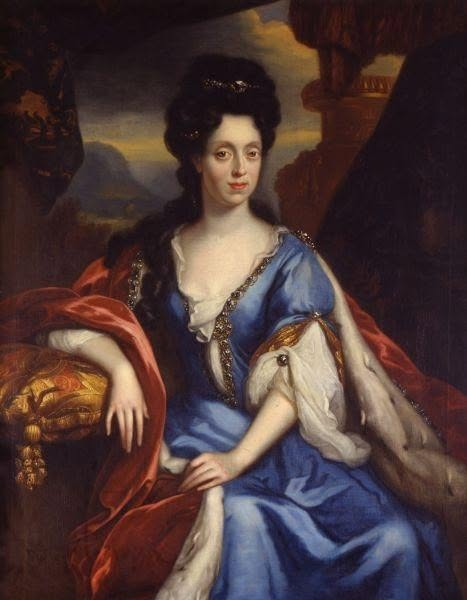
In 1737, Anna Maria Luisa de' Medici faced a difficult inheritance.
Her brother, the last Medici grand duke of Tuscany, had died without children. A grand duke ruled a grand duchy—a rank above duke and just below king, carrying real territorial authority. Anna had no children of her own, either.
Under arrangements among Europe's major powers, another family would receive the grand duchy. The Medici could no longer pass the title down, and their dynasty was coming to an end.
Yet generations of paintings, sculptures, jewelry, and books remained in the family's palaces and collections in Florence. Left unaddressed, those treasures might simply pass to the next grand duke. They might be sold as state assets or travel with their new owner to another city or country.
Anna had to consider a difficult question: once the collection no longer belonged to the Medici, could she still help future generations understand what her family had contributed to Florence and the world?
She chose to leave an agreement that would reach across centuries.
Before looking at that agreement, let us go back more than 300 years. The Medici did not yet hold a grand duke's title, and the art collection that would make their name famous had not taken shape.
In 1397, Giovanni di Bicci de' Medici moved the center of his banking business from Rome to Florence, using bills of exchange to address trust across cities and time. His second-generation successor, Cosimo, used banking wealth to support books, libraries, and architecture, turning resources into spaces people could enter, see, and read. Under the fourth-generation Lorenzo, Michelangelo was brought into the household, transforming a boy's creative world from occasional encounters with classical art into daily life among it.
Banking, patronage, collecting: each generation left something in a different way. But as the dynasty ended, the most important question emerged. What happens to everything a family has accumulated when no one wants to take it on, or no suitable successor remains?
On October 31, 1737, Anna and the new grand duke signed in Vienna what became known as the Family Pact. The Medici collections would pass to Francis Stephen and his descendants. But works that served the state's adornment, public use, and attraction of foreign visitors could not be removed from the capital and the grand duchy.
The document drew a clear distinction between who owned the collection and where it should remain—and for whom it should create value.
Anna accepted that the collection would change hands. Through the terms of that transfer, she helped secure the Medici family's continuing place in the world's cultural heritage.
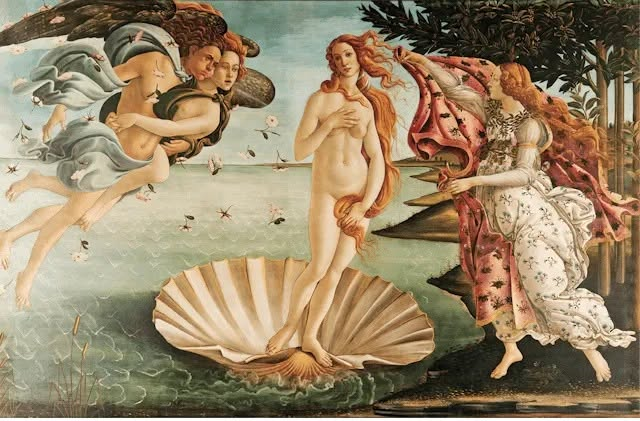
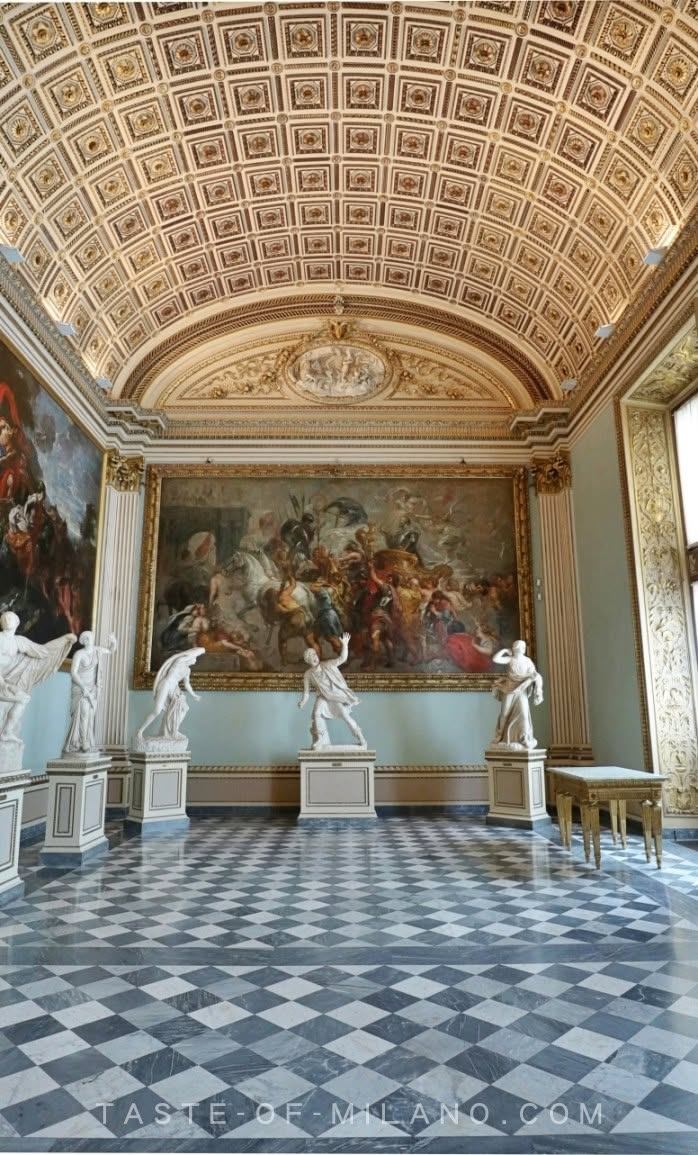
The Uffizi still refers to this pact when describing its collections. Those holdings come from more than the Medici alone; later Habsburg-Lorraine and Savoy rulers also contributed. The cultural inheritance we see today reflects generations of collecting, preservation, and display.
Anna died in 1743, bringing the Medici grand ducal line to an end. More than 600 years have passed since the bank was established in Florence in 1397. Nearly three centuries have passed since her 1737 arrangement for the family collection.
A name survives for more than the desire to preserve it. Something behind that name must still be worth receiving.