
TAG STORY · JOURNAL
Born at the Finish Line: How Do You Learn to Carry the Responsibility of an Immense Inheritance?
TAG Story ·
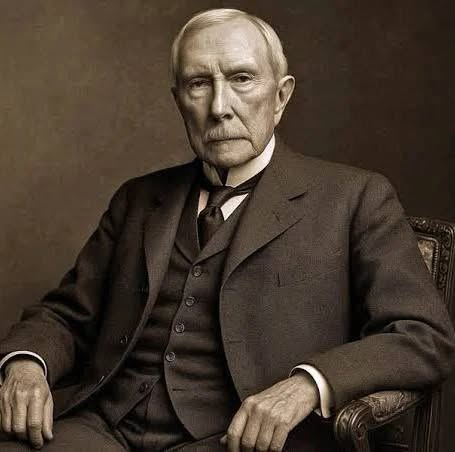
Today, I want to share a story about the Rockefellers and succession.
The Psychological Capital in a $21 Check
On January 26, 1895, Standard Oil cofounder John D. Rockefeller sent a birthday letter from New York to his son, John Jr., who was studying at Brown University and about to turn 21.
Enclosed was a check for $21: one dollar for every year of his life.
By then, the elder Rockefeller had built one of the largest oil empires in history. Yet his letter did not lay out a grand plan for the business. He told his son that the whole family had great hopes for his future.
Eight days later, John Jr. replied with remarkable honesty. He did not feel especially confident, he admitted. But knowing that his father believed in him would help him work harder. He hoped to make his parents proud and bring honor to the family name.
For the elder Rockefeller, the check and the letter were an early investment in his son's psychological capital. Instead of overwhelming a young man with the weight of immense wealth, he began by building trust in his character.
The self-awareness and humility John Jr. showed in his reply would become part of the foundation for the responsibilities he later carried.
The Courage to Make Mistakes: Building a Real Feedback Loop in a Complex System
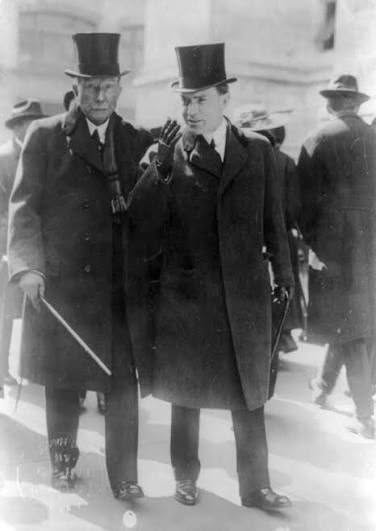
In 1897, two years later, John Jr. graduated from Brown and joined his father's office at 26 Broadway in New York. There, he began working with his father and adviser Frederick T. Gates on the family's business and philanthropic affairs.
Learning to take over was never a smooth process.
On November 11, 1899, John Jr. wrote a deeply troubled letter.
He did not explain exactly what had gone wrong. He wrote that much of his father's anxiety and strain that week had been his own doing. He had joined the office hoping to lighten his father's burden and had instead added to it, a realization he found painful. He acknowledged his mistakes, accepted responsibility, and hoped his actions would repay his father's generosity.
Twenty-Three Years of Compounding: From Selling Cloth to Allocating Capital
On July 30, 1918, another letter arrived from his father. This time, it listed company shares he planned to give his son, including 13,000 shares of Standard Oil of New Jersey.
A full 23 years separated the $21 birthday check from that extraordinarily valuable list of shares.
Time is one of the most powerful forces of compounding in business. The elder Rockefeller did not wait until retirement approached and hand over an empire in a single day. He spent those 23 years deliberately helping John Jr. move from an uncertain student into a position that required him to navigate complex organizations, face the cost of failure, and work with professional teams.
In a 1922 letter about entrusting his life's philanthropic work to his son, the elder Rockefeller made a particular point: “Son, your perspective on the world is very different from mine. But I hope you will continue studying society's needs, make your own decisions, and carry out your own philanthropic plans.”
The elder Rockefeller gave John Jr. room to lead medical research, educational philanthropy, and the governance of the Rockefeller Foundation. John Jr. did not simply reproduce his father's business path or philanthropic thinking. He made his own remarkable contribution through social capital allocation, helping establish a model for modern philanthropy and building an achievement of his own.
Entrusting responsibility means making room for a different perspective and allowing the next generation to grow independently in its own field. Micromanaging successors into making precisely the same decisions and achieving precisely the same results leaves little room for that growth.
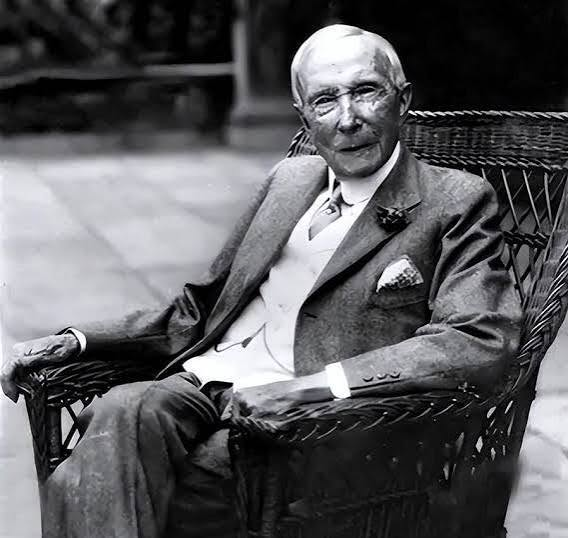
What can this history of a father and son teach us about our own lives and work?
➤ The leap in responsibility is much larger than the change in title.
Successors in family businesses or founding teams may spend years in meetings listening to presentations without ever deciding a budget or handling an angry customer themselves. Then, on the day they formally take over, they become fully responsible for their decisions—and for the survival of an entire company.
Real preparation has to begin with an actual project, a clear scope, and real consequences. Give the successor enough information and room to decide, then ask them to explain the results independently. Only then can the older generation observe what matters: Will they ask for help? Tell the truth when something goes wrong? Change their approach the next time?
➤ Build strategy around the boundary between what can and cannot be known.
Warren Buffett has said that we should focus on things that are important and knowable. A successor cannot know the market's future direction. Their character, response to failure, and respect for data and facts are more knowable and within their control. Those are the capabilities and attitudes for handling uncertainty that the older generation needs to entrust.
➤ Face the moments when you are not ready.
In that birthday reply, John Jr. admitted he did not share his father's confidence. But one of the harshest—and most compelling—things about business and life is that responsibility rarely waits until everything is in place.
Perhaps this is what makes succession so difficult:
The older generation has to hand over some responsibility before it feels entirely sure. The next generation has to start answering for its choices before it feels entirely sure, too.
I hope this story of the Rockefellers offers a fresh perspective on business and life as you navigate growth, trust, and responsibility.
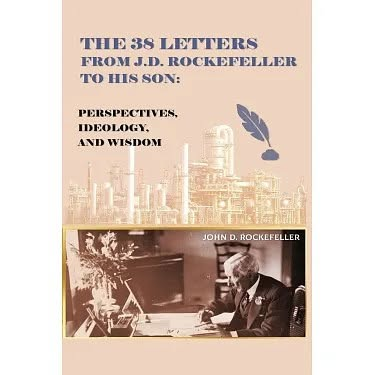
*Some content is excerpted from The 38 Letters from J. D. Rockefeller to His Son.